



Why the £84 fitness tracker market is more competitive than ever
The mid-range fitness tracker segment has become one of the most contested spaces in consumer technology. At around £84, buyers expect more than a simple step counter — they want heart rate monitoring, sleep tracking, stress insights, and a battery that actually lasts the week. Fitbit, now under Google’s ownership, has been refining its lineup to meet these expectations, and the Inspire 3 sits right at the heart of that effort.
After wearing both trackers daily for several weeks — during workouts, at the office, and through restless nights — a clear picture emerged. Neither device is perfect, but one consistently delivered a more satisfying experience.
Design and comfort: small differences that matter daily
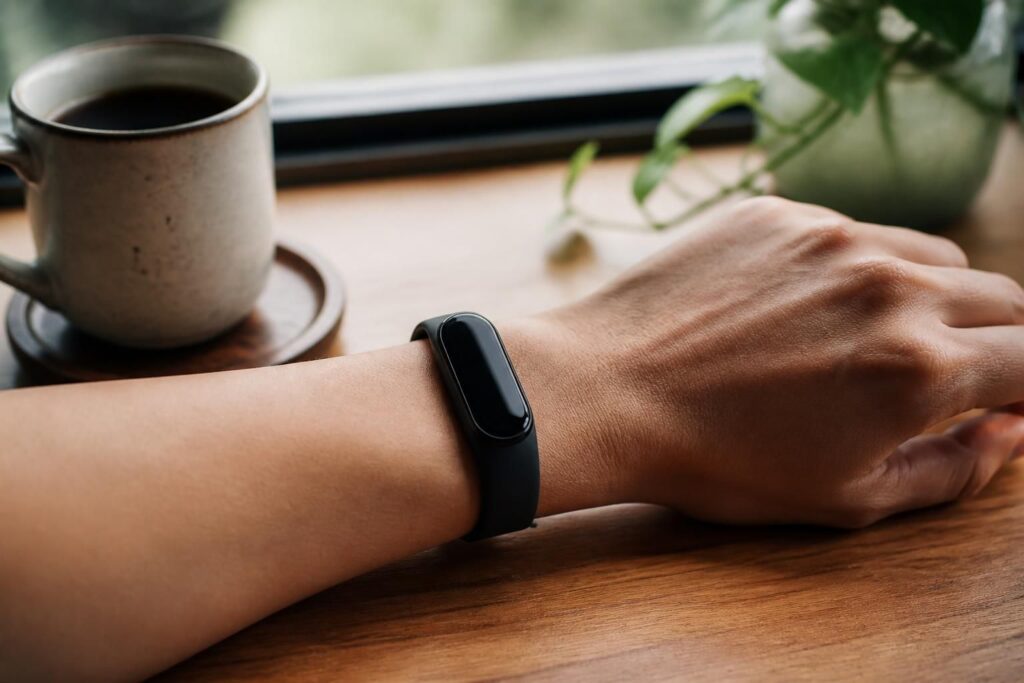
The Fitbit Inspire 3 is remarkably slim. It sits flush against the wrist and barely registers during sleep, which is genuinely useful for overnight tracking. The silicone band is soft enough to wear all day without irritation, and the colour display — a notable upgrade over its predecessor — makes glancing at stats feel modern rather than dated.
The competing tracker, by contrast, feels slightly chunkier. That bulk is partly justified by additional hardware, but if you have smaller wrists or simply dislike the feeling of a device on your arm, the Inspire 3 wins this category without much debate. Both devices are water-resistant to 50 metres, so swimming and showering are no concern with either option.
Health and fitness tracking: where the real differences emerge
This is where the comparison gets interesting. The Inspire 3 covers the essentials confidently:
- Continuous heart rate monitoring with zone alerts
- SpO2 blood oxygen saturation tracking
- Skin temperature variation during sleep
- Stress management score via electrodermal activity sensor
- Active Zone Minutes, Fitbit’s proprietary cardio intensity metric
- Over 20 exercise modes including running, cycling, and yoga
The stress management score is one of the Inspire 3’s most underrated features. It aggregates heart rate variability, sleep data, and activity levels into a single daily number, giving users a genuinely useful snapshot of their physical readiness — something many trackers at this price point skip entirely.
Where the Inspire 3 falls short is GPS. It relies on your phone’s GPS for route tracking rather than having a built-in chip. For casual walkers and gym-goers this is a non-issue, but dedicated runners who leave their phone at home will find this frustrating.
«The best fitness tracker is not the one with the most features — it is the one you actually keep wearing.» — a principle that guided every aspect of this comparison.
Battery life: a genuine selling point
Fitbit claims up to ten days of battery life for the Inspire 3, and in real-world testing that figure held up remarkably well. With always-on display disabled and notifications kept to a reasonable level, the device comfortably reached eight to nine days between charges. That is a meaningful advantage over smartwatches and even some rival trackers that demand nightly charging.
The charging cable uses Fitbit’s proprietary magnetic connector, which is a minor inconvenience when travelling, but the infrequency of charging largely offsets this annoyance. A full charge from near-empty takes roughly two hours.
App experience and ecosystem: the Google factor
Both trackers feed data into the Fitbit app, which remains one of the cleaner health dashboards available on Android and iOS. Sleep staging, readiness scores, and historical trends are all presented clearly without requiring a premium subscription to access the basics.
That said, Fitbit Premium — priced at around £7.99 per month — unlocks guided programmes, deeper sleep analysis, and mindfulness content. The Inspire 3 bundles a six-month free trial, which is a tangible added value at the point of purchase. Google’s increasing integration with the platform also hints at future improvements, particularly for Android users who may eventually see tighter syncing with Google Health Connect.
My recommendation after weeks of testing
If you are shopping in the £84 bracket and want a tracker that balances comfort, battery life, and health insight without overwhelming you with unnecessary complexity, the Fitbit Inspire 3 is the one to buy. It is not the most feature-rich device you can find, but it does what it promises consistently and without friction.
The slim form factor, the surprisingly capable stress and sleep tracking, and the exceptional battery life combine to create a device that earns its place on your wrist every single day. Runners who need onboard GPS should look elsewhere — perhaps at the Fitbit Charge 6 — but for the majority of users, the Inspire 3 represents excellent value and a genuinely pleasant daily companion.
Ultimately, the tracker that sits in a drawer after two weeks is worth nothing. The Inspire 3 is the kind of device that stays on your wrist.