


What Is Amazon’s Smart Hummingbird Feeder?
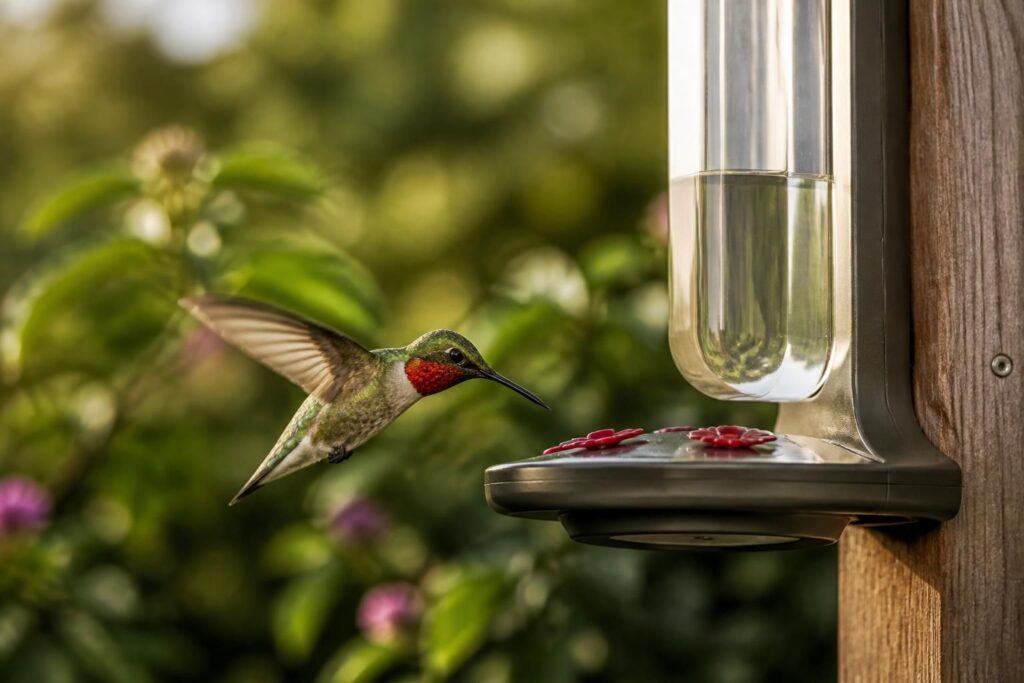
Amazon has quietly entered the backyard birdwatching space with a product that blends nature observation and consumer technology in a surprisingly elegant way. The smart hummingbird feeder is equipped with a built-in high-resolution camera and an AI-driven recognition system that detects when a hummingbird approaches and automatically captures a photo or short video clip. The result? Crisp, close-up images of these tiny, fast-moving birds — essentially selfies taken by the birds themselves.
The device connects to your home Wi-Fi and syncs with a companion app, allowing you to receive real-time notifications and browse your personal gallery of hummingbird visits throughout the day. It’s designed to be as simple to set up as any smart home gadget, requiring no photography skills whatsoever.
How the Camera and AI Recognition Work Together
At the heart of this feeder is a motion-triggered camera system paired with a machine learning model trained specifically to identify hummingbirds. Unlike standard motion sensors that might fire off dozens of false alerts triggered by wind or passing insects, the AI layer filters detections intelligently. The camera only activates when it confidently identifies the distinctive wing movement and body shape of a hummingbird hovering near the feeding port.
Once triggered, the camera captures images at a fast enough shutter speed to freeze the bird’s wings — which can beat up to 80 times per second — producing remarkably sharp photos. The system also logs metadata such as the time of visit and, in some cases, attempts to distinguish between individual birds based on plumage patterns.
“We wanted people to feel genuinely connected to the wildlife in their own backyard, not just observe it from a distance,” said a product spokesperson during the feeder’s announcement.
All image processing happens partly on-device and partly in the cloud, keeping latency low while enabling the richer AI features that require more computational power.
Key Features Worth Knowing About
Beyond the camera, the smart hummingbird feeder comes with a handful of features that make it genuinely useful rather than just a novelty:
- Automatic species identification that can label photos with the likely hummingbird species, such as Ruby-throated or Anna’s Hummingbird.
- A solar-assisted charging panel on the top of the unit that helps extend battery life between charges.
- A nectar level indicator visible through the app, so you always know when it’s time for a refill.
- Weather-resistant construction rated for outdoor use in rain and moderate temperatures.
- Integration with Alexa, allowing voice commands to check recent visits or view the live camera feed on an Echo Show display.
The companion app is available on both iOS and Android, and it stores your photo library in the cloud with the option to share images directly to social media or download them in full resolution.
Privacy and Data Considerations
Any connected outdoor camera raises reasonable questions about privacy, and Amazon has addressed some of these proactively. The camera’s field of view is intentionally narrow and angled downward toward the feeding port, minimizing the chance of capturing people or neighboring properties. Users can also set activity schedules to disable the camera during certain hours.
That said, it’s worth noting that images and usage data are processed through Amazon’s cloud infrastructure, which means the same data policies that apply to other Amazon devices apply here. If you’re already comfortable with Ring cameras or Echo devices on your network, this feeder fits naturally into that ecosystem. If you prefer to keep your home network free of Amazon services, it’s a factor worth weighing carefully before purchasing.
Who Is This Product Really For?
The smart hummingbird feeder sits at an interesting crossroads between the birdwatching community and the smart home enthusiast crowd. Dedicated birders may find the AI species identification a useful supplement to traditional field guides, while casual users will simply enjoy the novelty of receiving a push notification that says a tiny jewel-toned bird just stopped by for a drink.
It also has genuine appeal for families with children, offering a low-effort way to introduce kids to local wildlife and spark curiosity about nature. The photo gallery becomes a kind of living nature journal, building up over weeks and seasons to show patterns in bird behavior and migration.
Pricing positions the feeder in the premium tier of bird feeders but well below the cost of a dedicated wildlife camera setup, making it an accessible option for anyone curious about the birds visiting their garden.
The Bigger Picture: Smart Devices Meeting the Natural World
Amazon’s hummingbird feeder is part of a broader and genuinely interesting trend: consumer technology designed to enhance our relationship with the natural world rather than replace it. Products like this, alongside AI-powered plant identification apps and smart weather stations, reflect a growing appetite for devices that bring us closer to our environment rather than further from it.
Whether this feeder becomes a mainstream hit or remains a niche product for enthusiasts remains to be seen. But it represents a thoughtful application of camera AI and connected hardware to something as simple and timeless as feeding birds in your backyard — and that’s worth paying attention to.