



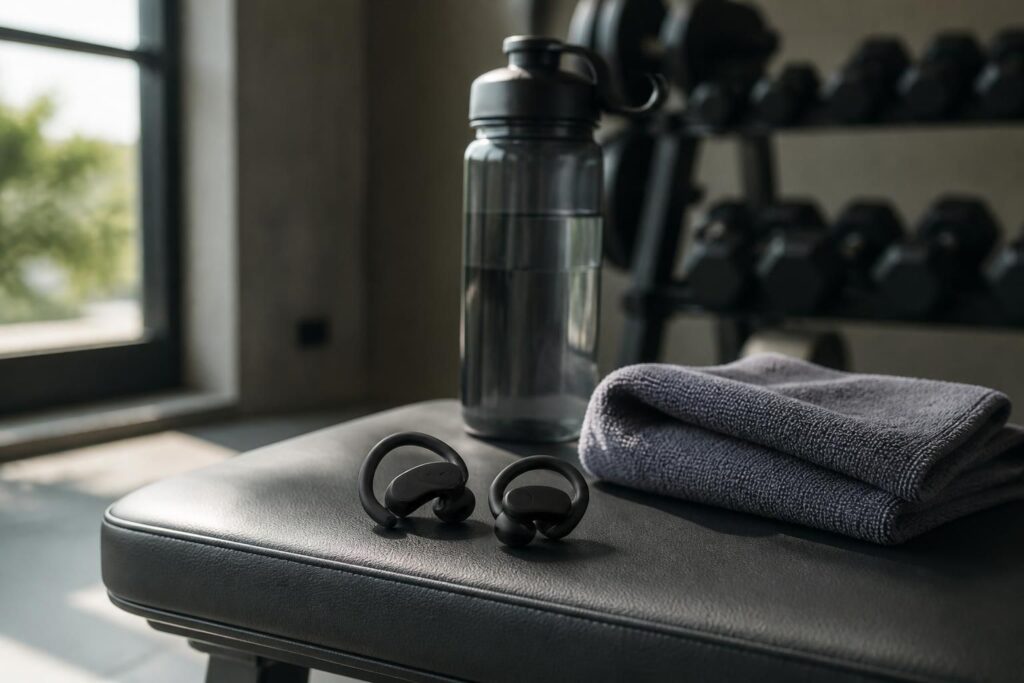
Why Your Workout Headphones Matter More Than You Think
Most people treat their workout headphones as a simple accessory — something you grab on the way out the door without a second thought. But the truth is, audio gear designed for fitness can directly influence your motivation, your focus, and even your performance. Studies have consistently shown that listening to music at the right tempo can increase endurance and reduce perceived effort during exercise. That means optimizing how you use your headphones is genuinely worth the effort.
Whether you are running outdoors, lifting weights at the gym, or doing a home HIIT session, small adjustments to how you wear, maintain, and configure your headphones can make a surprisingly large difference. Here are five hacks that every fitness enthusiast should know.
Hack One: Use the Right Ear Tip Size for a Secure Fit
This sounds obvious, but the vast majority of users never swap out the default ear tips that come with their in-ear headphones. Manufacturers typically include small, medium, and large silicone tips, yet most people just leave the medium ones on and call it a day. During intense movement — think sprinting, jumping, or burpees — ill-fitting ear tips are the number one reason headphones fall out.
Take five minutes to test each size before your next workout. The correct tip should create a gentle seal inside your ear canal without causing discomfort. If standard silicone tips still feel unstable, consider upgrading to memory foam ear tips, which conform to the unique shape of your ear and provide significantly better retention. Brands like Comply and Dekoni offer affordable options compatible with most popular earbuds.
Hack Two: Optimize Your EQ Settings for Physical Activity
Most modern smartphones and streaming apps like Spotify or Apple Music include a built-in equalizer. Very few gym-goers ever touch it. Adjusting your EQ settings specifically for exercise can dramatically improve the energy and clarity of your music during a workout.
- Boost the bass slightly (around 60–200 Hz) to add punch and drive to your tracks.
- Reduce the mid-range frequencies (around 500 Hz) to prevent a muddy or congested sound.
- Increase the upper mid-range (around 2–4 kHz) to bring out the clarity of vocals and instruments.
- Add a gentle lift to the highs (above 8 kHz) for brightness and detail.
Many fitness-oriented apps also offer preset EQ profiles labeled something like «Bass Booster» or «Electronic» that work well for high-energy training music. Experiment during a warm-up session and find what keeps you most motivated.
Hack Three: Manage Your Cable or Wire Routing Smartly
Even in the age of truly wireless earbuds, plenty of athletes still use wired or neckband-style headphones for their reliability and battery independence. If you fall into that category, cable management is an underrated skill worth developing.
«The difference between a distracted workout and a focused one often comes down to the small irritations you eliminate before you even start.»
Route your cable under your shirt or through a dedicated loop on your sports top to prevent it from bouncing against your chest or getting caught on equipment. Clip-on cable organizers are inexpensive and widely available. For neckband headphones, make sure the band sits flat against the back of your neck rather than riding up — this reduces movement and keeps the earbuds angled correctly in your ears.
Hack Four: Extend Battery Life with Simple Habits
Running out of battery mid-workout is one of the most frustrating experiences for any athlete. A few consistent habits can meaningfully extend the lifespan of each charge and the long-term health of your headphone battery.
- Charge your headphones the night before a planned session rather than topping them up sporadically throughout the day.
- Avoid leaving them in a fully charged state for extended periods — lithium-ion batteries degrade faster when kept at 100% for long stretches.
- Store your headphones in a cool, dry place rather than leaving them in a hot gym bag or car.
- Use the headphone case when not in use, as most modern cases provide passive protection against temperature fluctuations.
If you notice your battery capacity declining faster than expected, check whether the manufacturer offers a firmware update — many brands release software patches that improve power management over time.
Hack Five: Clean Your Headphones Regularly to Preserve Sound Quality
Sweat is the silent enemy of workout headphones. Salt and moisture from perspiration gradually corrode speaker grilles, degrade silicone ear tips, and can even penetrate the internal components of earbuds that are not fully waterproof. A simple cleaning routine after every few sessions will keep your headphones performing at their best and significantly extend their lifespan.
Use a slightly damp microfiber cloth to wipe down the outer casing after each workout. For the ear tips, remove them and rinse with warm water — avoid soap, which can leave residue. To clear debris from the speaker mesh, use a dry, soft-bristled toothbrush and gently brush in circular motions. Never use compressed air directly into the driver, as the pressure can damage delicate internal components.
If your headphones carry an IPX4 rating or higher, they can handle sweat and light splashes comfortably — but even water-resistant models benefit from regular cleaning to prevent long-term buildup.
Putting It All Together
None of these hacks require expensive gear or technical expertise. Together, they form a simple framework for getting the best possible experience from the headphones you already own. A secure fit, a dialed-in EQ, smart cable management, healthy charging habits, and regular cleaning can collectively transform a mediocre listening experience into one that genuinely supports your training goals. Treat your audio equipment with the same care you give your running shoes or your gym bag, and it will reward you with consistent, high-quality performance every single session.