



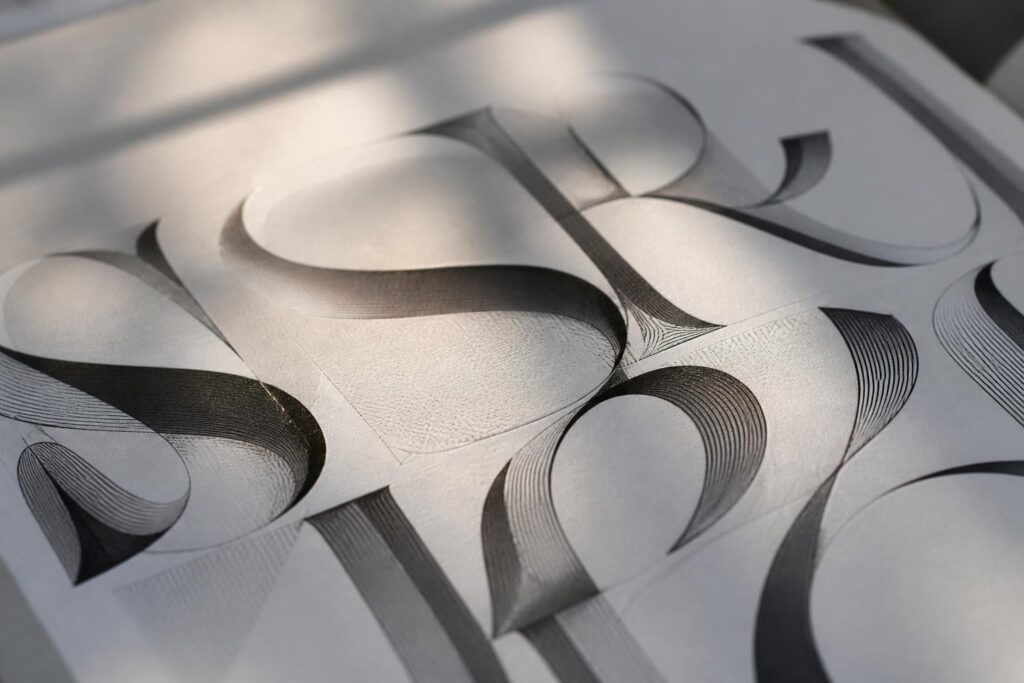
Decoy Font protects messages from being read by AI

Decoy Font protects messages from being read by AI

What Is Decoy Font and Why Does It Matter?

In an era where artificial intelligence scans, analyzes, and processes text at an unprecedented scale, a quiet but fascinating countermeasure has emerged from the world of typography. Decoy Font is a technique that uses specially crafted typefaces to visually render one message to human readers while feeding a completely different — or meaningless — string of characters to machine-learning models and AI text parsers.

The concept sounds almost like something out of a spy novel, but it has very real implications for digital privacy, content protection, and the ongoing tension between human communication and automated surveillance.

How the Technology Actually Works

At its core, Decoy Font exploits a fundamental gap between how humans and machines read text. When you look at a word on a screen, your brain interprets the visual shape of each letter. An AI model, on the other hand, typically reads the underlying Unicode character data — the raw code that tells a system which letter is which.

Decoy Font works by remapping that relationship. A character that visually looks like the letter

Frequently asked questions

What is Decoy Font?
Decoy Font is a typographic technique that visually displays one set of characters to human readers while feeding different or misleading data to AI text-parsing systems, effectively hiding the true message from automated analysis.
Can Decoy Font be used on any platform?
Its effectiveness depends on how a platform renders text. It works best in environments where the font is fully rendered visually, but it may be less effective on platforms that strip custom fonts or convert text to plain Unicode before processing.
Is Decoy Font a perfect privacy solution?
No. It is a clever layer of obfuscation, but determined adversaries or sufficiently advanced AI systems may find ways to decode or bypass it. It should be considered one tool in a broader privacy strategy.
Who developed Decoy Font?
The concept has been explored by researchers and designers interested in the intersection of typography and digital privacy. It draws on earlier ideas in steganography and font-based encoding techniques.
Does Decoy Font affect accessibility?
Yes, it can pose challenges for screen readers and assistive technologies, since those tools also rely on underlying character data rather than visual rendering, similar to how AI parsers work.